Application delivery involves a range of technologies and processes aimed at ensuring that applications are delivered efficiently, reliably, and securely to end-users. Reliable application delivery is essential to meet user expectations, maintain business operations, stay competitive, and adapt to changing demands.
Application Delivery Management (ADM)
Application Delivery Management, or ADM, gives IT teams a complete view of how applications are performing across multiple cloud and on-premises environments. Many organisations use a mix of cloud platforms and local servers, which can make it hard to monitor performance and fix issues quickly. ADM tools simplify this by providing clear insights, speeding up troubleshooting, and improving security.
The Role of Application Delivery
The main goal of application delivery is to ensure applications are fast, responsive, and always available. Users expect smooth access for online shopping, banking, work, and entertainment. Delivery strategies also focus on protecting sensitive data and preventing cyberattacks to maintain trust and business continuity.
Why Effective Application Delivery Is Important
Slow or unreliable applications frustrate users and can hurt business performance. Quick, responsive applications improve user satisfaction and encourage repeat engagement. For industries like e-commerce or online services, application performance directly impacts customer experience and revenue. Businesses that deliver applications reliably gain a competitive edge, boost loyalty, and drive growth.
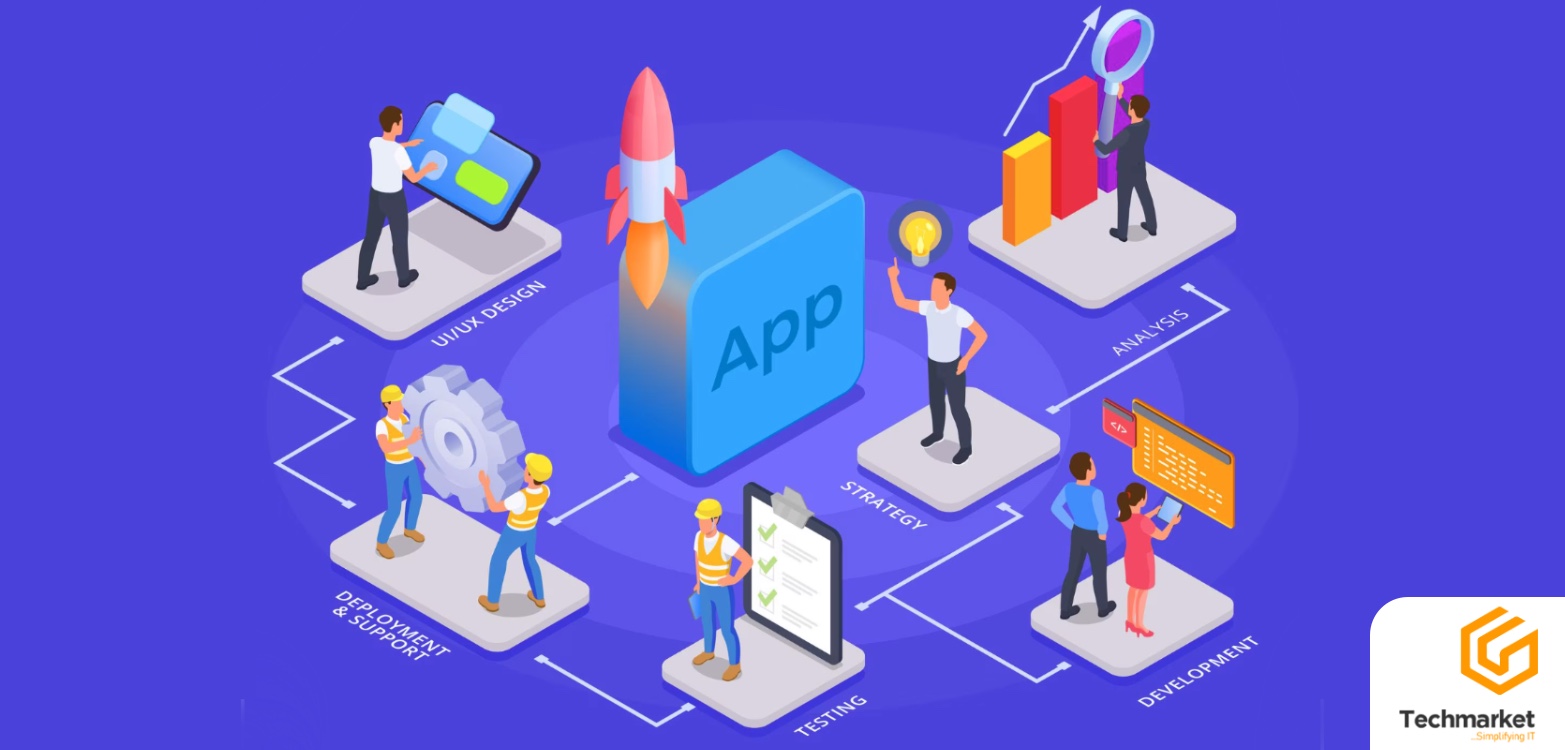
Key Components of Application Delivery
1. Application Delivery Controller (ADC)
ADCs are devices or software that manage web application traffic. They improve performance, reliability, and security by distributing traffic efficiently, reducing downtime, and supporting high availability. ADCs also adapt to changing workloads in real time, helping businesses scale and automate operations.
2. Load Balancing
Load balancing spreads web traffic across multiple servers and data centers to maintain performance and prevent overloads. If a server fails or becomes busy, traffic is automatically redirected to other servers, ensuring applications remain available. Load balancing works alongside ADCs to optimise responsiveness, increase redundancy, and improve user experience across web and microservices applications.
3. Application Delivery Network (ADN)
An application delivery network refers to services deployed via a network that help ensure high availability, security, and visibility for web applications. ADNs work by speeding up datacenter load times and increasing IT visibility across the application delivery process. The primary goal of an ADN is to ensure that web apps and services are delivered efficiently, reliably, and securely to end-users.
4. Content Delivery Network (CDN)
Content delivery networks (CDN) are geographically distributed networks of servers that are designed to store content locally (rather than in the cloud) for easier access. Frequently used or cached content includes videos and images that are stored closer to a user, reducing latency and bandwidth on the networks the user is accessing.
CDNs vs ADNs: How to Deliver Faster Content and Applications
Content Delivery Networks (CDNs) and Application Delivery Networks (ADNs) both help deliver digital content to users quickly, but they work in different ways. CDNs focus on static content like images, videos, and scripts, making websites load faster by reducing the distance between users and content. ADNs, on the other hand, speed up dynamic content such as web applications and online platforms that handle real time data. They optimise the entire application stack to ensure apps run smoothly, stay reliable, and respond quickly to user actions.
Many organisations use both CDNs and ADNs together. CDNs handle static files while ADNs manage dynamic applications. This combination delivers a faster, more reliable, and secure experience, improving user satisfaction and supporting business growth.
Application Delivery Methods
Application delivery can be done in three main ways: on premises, cloud based, and hybrid. Each approach has its own benefits depending on business needs.
1. On Premises
On premises application delivery is managed from a company’s own data center or private cloud. This gives full control over security, compliance, and performance. It is ideal for industries like healthcare or finance where data protection is critical and predictable costs are important.
2. Cloud Based
Cloud based delivery uses cloud computing to provide fast, flexible, and scalable application performance. Organisations can adjust resources as needed and only pay for what they use. This approach is great for businesses that want to grow without investing in extra infrastructure.
3. Hybrid
Hybrid delivery combines on premises control with cloud flexibility. IT teams can split workloads between local servers and the cloud, ensuring applications stay available, fast, and secure. This method gives the best of both worlds for organisations that need both flexibility and protection.
Benefits of Modern Application Delivery
Modern application delivery helps businesses run applications faster, more securely, and more reliably. It improves productivity, reduces costs, and provides a better experience for employees and customers.
1. Save Costs and Improve Efficiency
Delivering applications via the web removes the need to install software on every device or buy multiple licences. This makes access easier and more cost effective.
2. Boost Productivity
Employees can work without interruptions because modern application delivery ensures applications stay online. If a server fails, the system automatically switches users to a working server without them noticing.
3. Faster Mobile Performance
Modern delivery solutions improve mobile apps by speeding up page loads and allowing multiple connections at once. This makes apps run smoothly on phones and tablets.
4. Stronger Security
Application delivery solutions help protect user data. They can check user identities without storing credentials in the cloud and defend against cyberattacks like denial of service and SQL injection.
5. Better User Experience
Reliable application delivery gives users a seamless experience. From healthcare apps that track patient health to interactive online platforms, fast and dependable apps keep customers satisfied and engaged.
How Techmarket Can Help with Application Delivery
Fast and reliable application delivery is essential for businesses that want to give users a smooth and seamless experience. We offer a full range of application delivery services that optimise performance and secure your infrastructure, whether your applications run in a data center, in the cloud, or across distributed networks including the network edge. Our solutions give clear visibility and centralised control, making it easier to manage policies, configurations, and traffic routing. We support all types of content, from video on demand to website resources and API traffic.
By simplifying delivery without reducing performance, we help businesses keep applications available, control where workloads run, and provide rich digital experiences for users across all platforms – speak with us today.