Many businesses still struggle with slow, inefficient support processes. Long ticket queues, repeated questions, and endless escalations can frustrate employees and customers alike. However, service desk applications today are designed to change that. These IT service desk solutions go beyond simple ticket logging to provide centralised support platforms that improve response times, automate workflows, enhance user satisfaction, and give organisations complete visibility into their IT operations.
More companies are moving from basic helpdesk tools to advanced service desk management systems that transform IT support from a cost center into a strategic business advantage. In this blog, we explore how modern service desk applications are improving IT support, increasing operational efficiency, and delivering measurable business results.
What Is a Service Desk Application?
A service desk application is a complete IT service management platform that enables organisations to manage incidents, service requests, problems, and internal support operations from a single interface. A well designed service desk solution ensures every request is logged, prioritised, assigned, tracked, and resolved efficiently.
Key Features of Modern Service Desk Applications
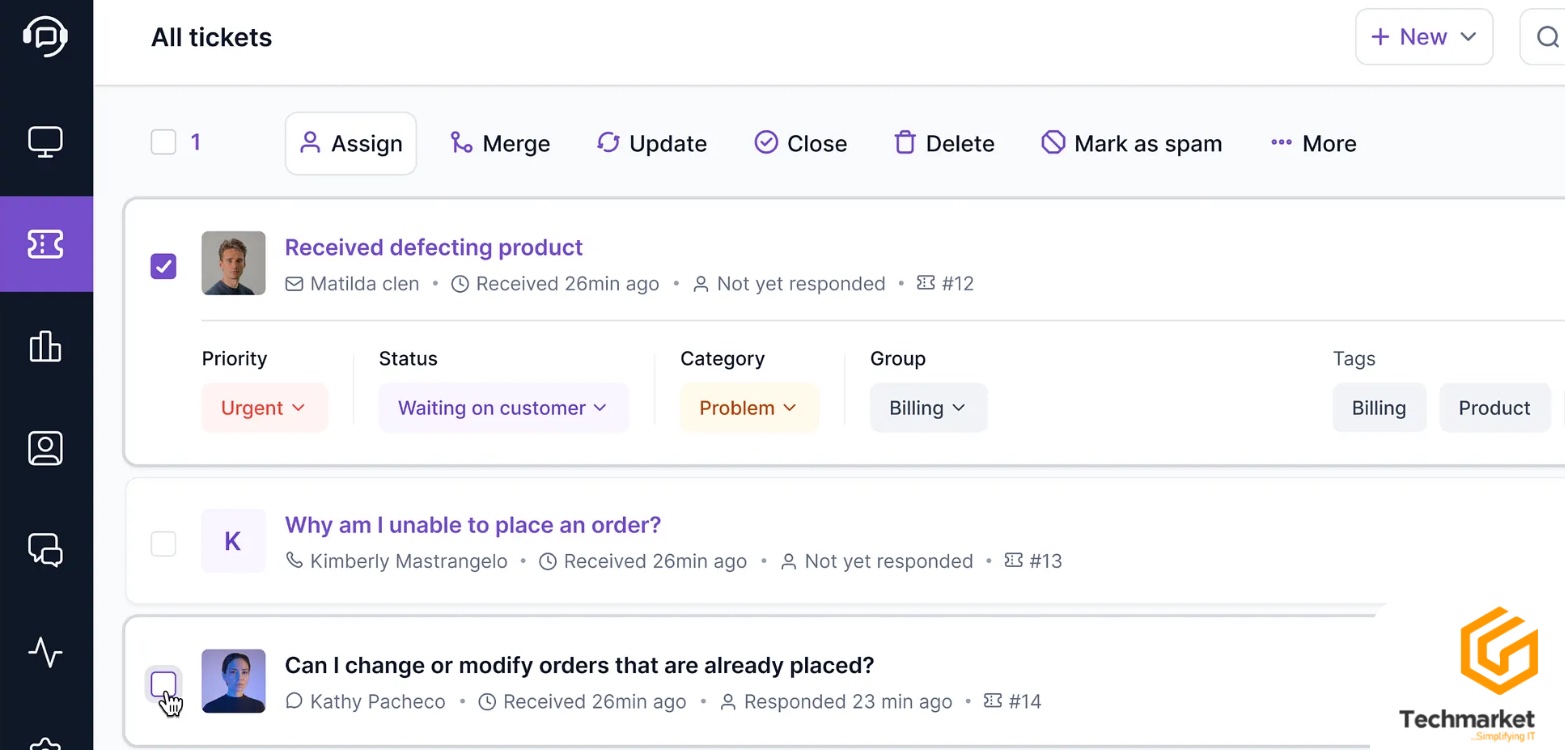
1. Intelligent Ticket Management
Service desk applications do more than just log tickets. They categorise requests, prioritise them based on urgency and impact, and route them to the correct team automatically. This reduces manual work, avoids bottlenecks, and speeds up resolution. Organisations that use structured ticket management often see faster first response times and improved service delivery.
2. Centralised Customer and Incident History
A robust service desk platform consolidates all customer and incident information in one place, including:
- Past incidents and service history
- Previous communications
- Asset information
- SLA agreements
This centralised approach eliminates repetitive questions, improves accuracy, and enhances the overall user experience.
3. Automated Workflow and Escalation Management
Manual ticket routing can delay support. Modern applications automate ticket assignment, escalation rules, approval processes, status updates, and notifications. Automation ensures consistent service delivery, reduces human error, and protects SLA compliance by triggering alerts before deadlines are missed.
4. Service Level Agreement Monitoring
SLA tracking is critical for IT teams. Advanced service desk applications monitor response and resolution times in real time. Dashboards provide clear insights into performance, helping teams maintain compliance and improve efficiency.
5. Knowledge Base Integration
Integrated knowledge bases allow teams to document common issues, troubleshooting steps, and best practices. This improves first time resolution, boosts agent productivity, and encourages self service, enabling users to resolve simple issues without submitting tickets.
6. Real Time Reporting and Analytics
Analytics provide insights that drive continuous improvement. Service desk applications track ticket trends, resolution times, agent performance, recurring issues, and resource allocation, helping organisations optimise IT support operations.
Essential Strategies for Implementing Service Desk Applications
Implementing a service desk application successfully requires a tailored approach. The first step is to define your service desk offerings clearly. What types of issues will your team handle: hardware faults, software problems, or network issues? Clear definitions set realistic expectations and reduce confusion.
1. Creating a User Friendly Service Catalogue
A service catalogue is a roadmap for employees, showing available services and how to request them. A well designed catalogue should be intuitive and easy to use, avoiding technical jargon that frustrates users.
2. Phased Implementation for Smooth Rollout
Introducing services in phases is more effective than a full scale launch. Many organisations start with incident management and gradually add request fulfilment, self service portals, and automated processes. This allows teams to adapt gradually while managers refine the system based on real usage and feedback.
3. Driving Improvement Through User Feedback
Continuous improvement relies on listening to users. Regular surveys, performance monitoring, and quality assessments ensure that the service desk meets high standards consistently. Routine evaluations help maintain reliable and user focused support.
4. Continuous Staff Training and Development
Ongoing training is essential in the rapidly changing IT landscape. Staff undergo continuous professional development, particularly in cybersecurity, to stay up to date with the latest threats, tools, and best practices. This improves response times, proactive problem prevention, and overall security.
Final Thoughts
Service desk applications are far more than help desks. They centralise issue tracking, automate workflows, provide self service portals and deliver actionable insights that improve decision making. In modern IT service management, a service desk platform plays a key role in improving efficiency, reducing downtime and strengthening overall business performance.
Ultimately, success with a service desk application comes from choosing a solution that aligns with your organisation, enhances productivity, speeds up issue resolution and provides valuable data to support business growth. With the right IT service management tool, organisations can improve service delivery, boost user satisfaction and maintain smoother day to day operations. Contact us today to find out how a service desk application can transform your IT operations and support your digital transformation goals.