Social media has become one of the primary ways people discover products, engage with brands, and make purchasing decisions. Platforms such as Facebook, Instagram, LinkedIn, TikTok, and X have evolved beyond networking sites into powerful marketing, sales, and customer engagement channels for organisations of every size.
This widespread adoption has also created new opportunities for cybercriminals. Fake advertisements, cloned business profiles, phishing messages, and impersonation scams are becoming increasingly common across social media platforms. Although these scams often appear to target individual consumers, the same tactics are now being used to compromise organisations through their employees.
A single successful social engineering attack can expose sensitive business information, disrupt operations, result in financial loss, and damage customer trust. As social media continues to influence how organisations communicate and conduct business, protecting against these evolving cyber threats has become an essential part of any business cybersecurity strategy.
Why Businesses Should Be Concerned About Social Media Scams
Most organisations invest in cybersecurity technologies such as firewalls, endpoint protection, antivirus software, email security, and network monitoring. These solutions play a critical role in defending business systems, but technology alone cannot prevent every attack.
Cybercriminals understand that manipulating people is often easier than bypassing sophisticated security controls. Rather than attempting to hack directly into corporate networks, they exploit trust, urgency, and human behaviour to persuade individuals to reveal sensitive information, click malicious links, or install harmful software.
This approach, commonly known as social engineering, has become one of the most successful methods of launching cyberattacks against businesses. One mistaken action by a member of staff can provide attackers with access to business systems, cloud applications, financial platforms, or confidential company data.
How Cybercriminals Use Social Media to Target Businesses
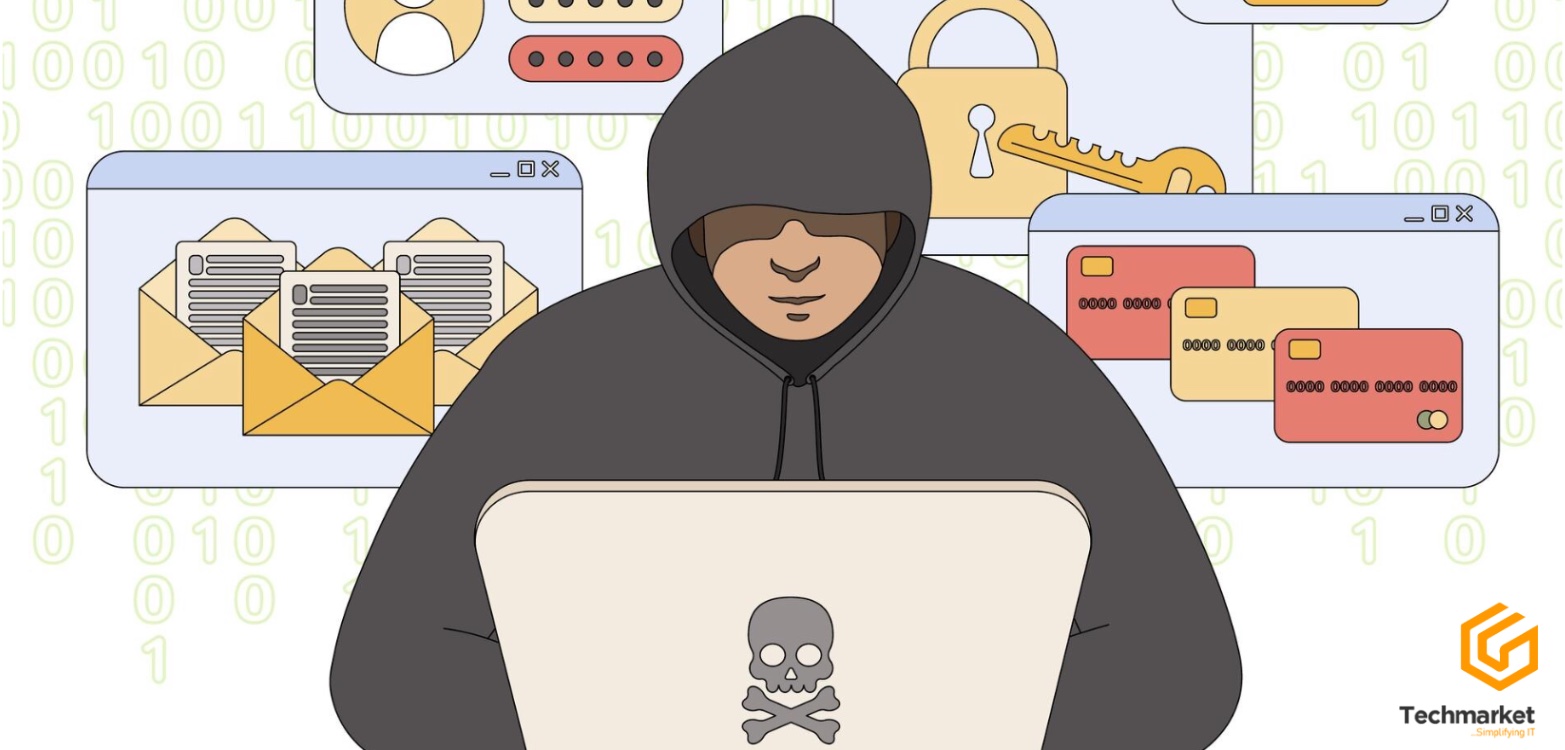
Social media provides attackers with an abundance of publicly available information about organisations, their employees, business partners, and customers. By combining this information with sophisticated scams, cybercriminals can create highly convincing attacks that are difficult to recognise. Some of the most common methods include:
1. Fake Advertisements
Cybercriminals create convincing advertisements promoting fake software updates, productivity tools, AI applications, business software, or exclusive discounts. Individuals who interact with these adverts may unknowingly download malware, install ransomware, or visit fraudulent websites designed to steal login credentials. What appears to be a legitimate business resource can quickly become the starting point of a much larger cybersecurity incident.
2. Cloned Business Pages
Fraudsters frequently copy legitimate company branding, logos, images, and social media content to create convincing fake business profiles. These cloned pages are used to deceive customers, suppliers, and employees into sharing confidential information, approving payments, downloading malicious files, or interacting with fraudulent support representatives. In addition to creating financial risk, these scams can also damage an organisation’s reputation and erode customer confidence.
3. Phishing Links
Phishing attacks have evolved far beyond suspicious emails. Today, malicious links are commonly distributed through social media posts, comments, advertisements, and direct messages. These links often direct users to counterfeit login pages that closely resemble trusted business applications, banking portals, or collaboration tools. Once credentials are entered, attackers can gain unauthorised access to email accounts, cloud services, internal business applications, and sensitive company information.
4. Impersonation Scams
Cybercriminals regularly impersonate executives, managers, suppliers, vendors, business partners, or even existing customers on social media. Using information gathered from public profiles, they create highly believable requests asking for urgent payments, confidential documents, password resets, or software installations. Because these requests appear to come from trusted individuals, they can bypass suspicion and lead to costly mistakes if verification procedures are not followed.
The Business Impact of Social Engineering Attacks
The consequences of a successful social engineering attack often extend well beyond a single compromised account. Businesses may face significant operational, financial, and reputational challenges, including:
- Data breaches involving confidential customer or business information
- Financial losses resulting from fraudulent payments or stolen credentials
- Business disruption caused by malware or ransomware attacks
- Damage to customer trust and brand reputation
- Regulatory penalties for failing to adequately protect sensitive data
- Increased costs associated with incident response, recovery, and legal compliance
- Lost productivity while systems are restored and investigations are carried out
In many cases, recovering from a serious cyberattack requires months of remediation, investment, and reputation rebuilding.
Why Employee Awareness Is Essential for Cybersecurity
Technology is an essential part of any cybersecurity strategy, but long-term resilience depends on building a strong security culture across the organisation. When employees can recognise the warning signs of cyber threats, they become an important line of defence rather than a potential point of weakness.
Every employee who uses email, social media, cloud applications, or mobile devices has a role to play in protecting the organisation. Building cybersecurity awareness across the workforce helps reduce the risk of phishing attacks, social engineering scams, malware infections, and accidental data exposure. Regular cybersecurity awareness training should equip employees to:
- Recognise phishing attempts and fraudulent social media messages
- Identify fake websites and cloned business profiles
- Verify unusual requests before sharing information or approving payments
- Report suspicious activity promptly
- Follow established cybersecurity policies and security best practices consistently
Building a Stronger Business Cybersecurity Strategy
No single cybersecurity solution can eliminate every threat. The most effective organisations adopt a layered approach that combines advanced security technologies, clear governance, and ongoing employee awareness. When these measures work together, organisations are far better equipped to prevent, detect, respond to, and recover from evolving cyber threats. An effective business cybersecurity strategy should include:
- Endpoint protection for business devices
- Multi-factor authentication (MFA)
- Advanced email security solutions
- Network security monitoring and threat detection
- Regular vulnerability assessments and security testing
- Employee cybersecurity awareness training
- Identity and access management
- Data backup and disaster recovery planning
- Incident response planning and business continuity procedures
Protect Your Business Before Attackers Strike
As social media continues to shape how organisations market their services, communicate with customers, and collaborate with partners, it will remain an attractive target for cybercriminals. Every employee who interacts with social media, email, or cloud applications has the potential to either strengthen your organisation’s security or unintentionally expose it to risk.
Protecting your business requires more than security software alone. It calls for a layered cybersecurity strategy that combines robust technology, clear security policies, and ongoing employee awareness training. When these elements work together, organisations are better equipped to prevent attacks, minimise disruption, safeguard sensitive data, and maintain the trust of customers and stakeholders.
Techmarket helps organisations build stronger cyber resilience through comprehensive cybersecurity solutions, including endpoint protection, network security, identity and access management, proactive threat monitoring, vulnerability assessments, and employee cybersecurity awareness training. Our approach is designed to reduce risk, strengthen your security posture, and help your business stay ahead of evolving cyber threats.
If you’re looking to strengthen your organisation’s cybersecurity, protect sensitive business data, and reduce the risk of cyberattacks, book a consultation with one of our cybersecurity specialists to learn how Techmarket can help keep your business secure.